Glutathione Precursor Supplements: A Comprehensive Guide to Choosing the Right One
Published Date: Last Updated:If you have ever browsed the supplement aisle and felt confused by all the antioxidants, you’re not alone. Glutathione sits at the center of that conversation as the body’s “master antioxidant.” But simply supplementing with glutathione isn’t really enough. What matters most is how much glutathione your cells can actually make and use — not just what is circulating outside them.
A well‑designed glutathione precursor supplement focuses on feeding your cells the right building blocks so they can raise glutathione exactly where it matters: inside the cell.
That’s why, when you go to shop for glutathione, you actually should be looking for a glutathione precursor.
Pro Tip: If you want a deeper dive into how glutathione stacks up and how it compares to other supplements, check out Continual‑G’s article on glutathione vs. vitamin C, which offers a helpful side‑by‑side look.
What Exactly Is a Glutathione Precursor and Why Does It Matter?
A glutathione precursor is a compound your body can use directly to make glutathione. Glutathione itself is made from three amino acids — glutamate, cysteine, and glycine — but the rate‑limiting step is forming an intermediate called gamma‑glutamylcysteine (GGC). When that step slows down, your cells cannot keep glutathione at optimal levels, even if you’re consuming plenty of general antioxidants.
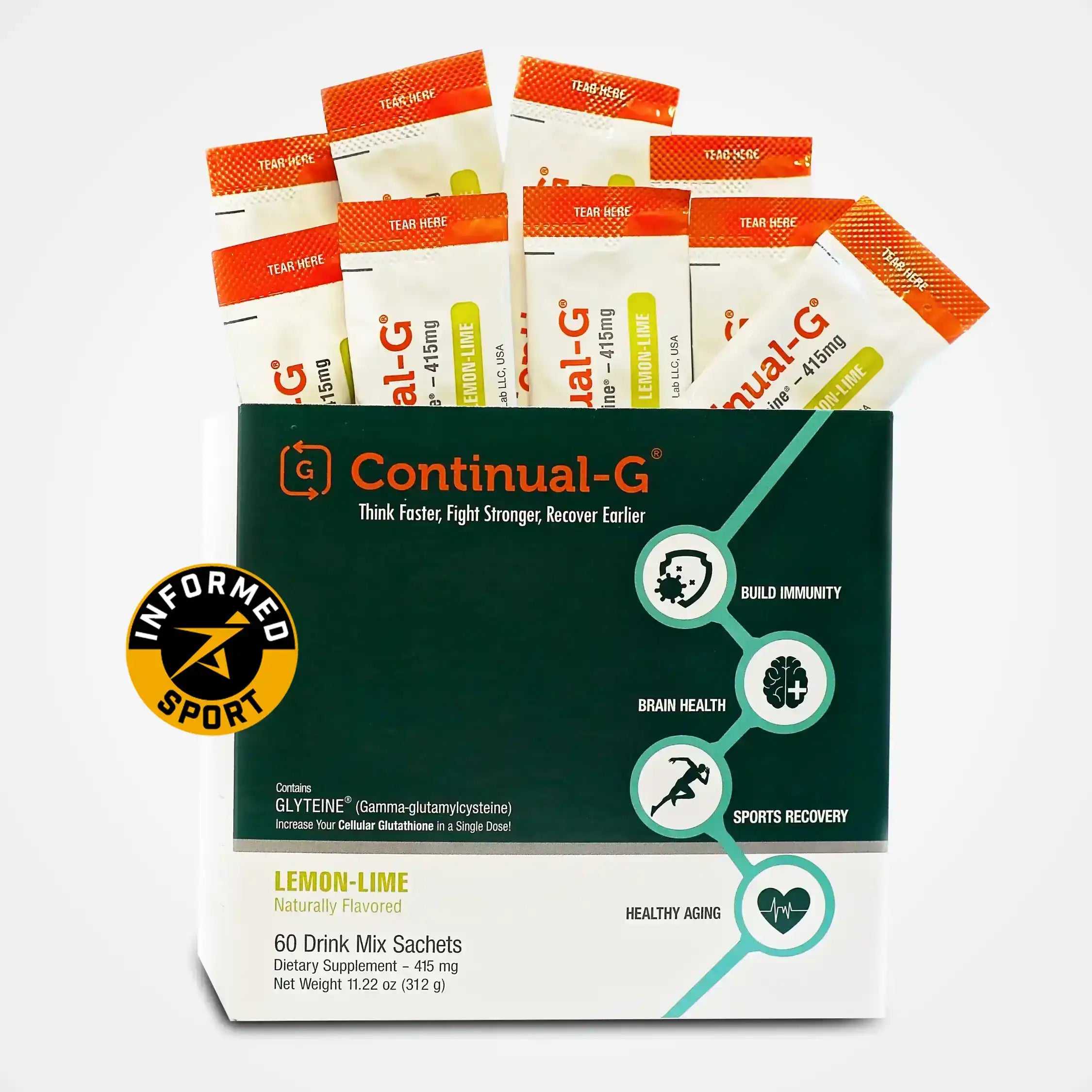
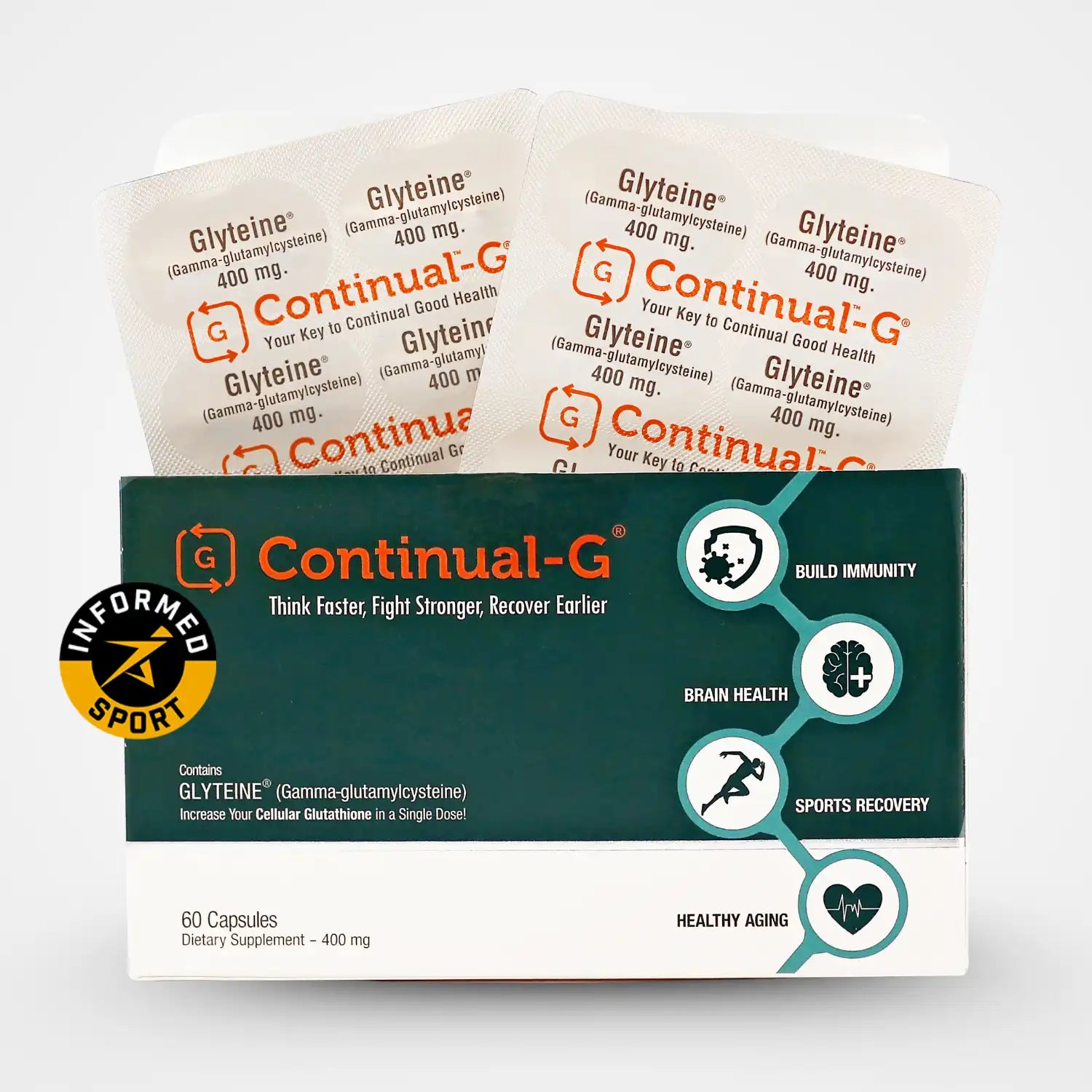
This is why science has shifted away from straight glutathione supplementation and toward ingredients that supply GGC itself. In a human pilot study published in Redox Biology, a single oral dose of γ‑glutamylcysteine increased intracellular glutathione in lymphocytes above homeostatic levels. This confirmed that a true precursor can move the needle inside cells in ways that the fully formed antioxidant can’t. Ingredients like Glyteine® (featured in Continual‑G®) are built on this mechanism and formulated specifically to act as glutathione’s immediate precursor.
Why Don’t All Glutathione Supplements Work the Same Way?
Standard glutathione capsules, powders, and even liposomal formulas often struggle with a simple problem: fully formed glutathione does not easily cross cell membranes. Even worse, it can be broken down in the digestive tract before it ever reaches your cells. These products may change glutathione levels in blood or plasma, but that doesn’t automatically mean they raise cellular glutathione in a meaningful way.
By contrast, a glutathione precursor supplement is designed around how your cells actually make glutathione. Instead of trying to push complete glutathione into the system, precursors deliver a form that the body recognizes and uses as raw material for glutathione synthesis.
That’s why, when you compare glutathione supplements benefits, you should always ask a key question: Can the product demonstrate an impact on intracellular glutathione, not just circulating levels?
Which Criteria Should You Use to Compare Glutathione Precursor Supplements?
With multiple products now claiming to boost glutathione, it helps to have a clear checklist before you buy. When you evaluate a glutathione precursor supplement, consider questions like:
-
Does it provide an immediate precursor, such as GGC, or only generic amino acids and fully-formed antioxidants?
-
Is there human clinical evidence showing how glutathione precursors increase glutathione inside cells rather than just in plasma?
-
Does the brand explain its mechanism clearly and avoid disease‑treatment claims that go beyond the evidence?
Looking at peer‑reviewed research, such as the NIH overview on glutathione’s roles and biosynthesis, can help you compare reality against marketing language. From there, you can explore clinically backed options.
This is why something like Glyteine® stands out. Because it’s been studied specifically for its ability to elevate intracellular glutathione.
How Do Your Health Goals Influence the “Right” Glutathione Precursor Supplement?
Even among precursors, not every formula is designed for the same person or purpose. Someone focused on everyday wellness and healthy aging may look for steady, repeatable support for cellular defenses and oxidative stress. An athlete or highly active individual might care more about recovery, resilience, and how a supplement fits into their existing training and nutrition routine.
In either case, the underlying mechanism is the same, though, at least when it comes to glutathione supplementation. We’re talking about basic cellular function at this level, which means you want a glutathione precursor supplement that reliably raises cellular glutathione in response to a variety of everyday stressors.
It’s good to keep in mind that you’ll want something you can take consistently, too. This is because increases are transient — measured in hours, not days. As a result, most people use these products daily as part of a broader lifestyle strategy that includes movement, nutrition, and sleep.
What Role Does Brand Transparency Play in Your Decision?
Finally, choosing the right glutathione precursor is not just about the ingredient. It is about the story, data, and transparency behind it. Brands that clearly describe where their precursor comes from, how it was developed, and what clinical work has been done give you more to go on than slogans alone.
For example, the story behind Glyteine® and Continual‑G® highlights decades of work to synthesize GGC at scale. This was followed by human trials to confirm its impact on intracellular glutathione. That kind of context can help you distinguish between products grounded in science and those leaning mostly on buzzwords.
FAQ: Choosing a Glutathione Precursor Supplement
1. How do glutathione precursors increase glutathione compared with regular glutathione pills?
Glutathione precursors like GGC provide the immediate building block your cells need to finish making glutathione. This allows them to bypass bottlenecks in the synthesis pathway. Regular glutathione pills deliver fully formed glutathione, which is harder to cross cell membranes and more likely to be broken down during digestion. As a result, precursors are designed to support higher intracellular glutathione. In comparison, standard glutathione supplements often show their biggest effects in blood or plasma measurements.
2. What glutathione supplements benefits should I realistically expect from a precursor-based product?
Realistic glutathione supplements benefits include support against oxidative stress, help maintaining a healthy inflammatory response, and general support for energy, resilience, and recovery. A good glutathione precursor supplement is not a stand‑alone cure but a tool to help your cells keep their antioxidant defenses ready when you encounter stress from aging, intense activity, or environmental exposures. Many people pair precursors with lifestyle changes, such as better sleep, nutrition, and exercise, for a more comprehensive approach.
3. How can I tell if a glutathione precursor supplement is backed by real science?
Start by looking for human clinical studies that measure intracellular glutathione after supplementation, ideally published in peer‑reviewed journals. Ingredients like Glyteine®, for example, are supported by research showing that oral γ‑glutamylcysteine can raise lymphocyte glutathione above homeostatic levels in healthy adults. Reputable brands will link directly to such papers, such as the Redox Biology trial, rather than only citing animal data or vague in‑house testing.
4. Is a glutathione precursor supplement right for everyone, or are there specific groups who might benefit most?
Glutathione precursor supplements are generally aimed at adults who want extra support for everyday oxidative stress — people navigating modern workloads, pollution, strenuous exercise, or the normal changes that come with aging. Those who already focus on diet, sleep, and movement often use a precursor to complement their routine, especially when they are interested in long‑term healthspan and recovery. As with any supplement, it is wise to consult a healthcare professional first, particularly if you have medical conditions or take medications.