The Science Behind Glutathione Precursor Supplements: How They Boost Your Health
Published Date: Last Updated:Glutathione is often called the body’s “master antioxidant,” but what actually matters for your health is not how much glutathione is floating around outside your cells. It’s how much your cells can make and use on demand.
That is where a well‑designed glutathione precursor supplement can make a real difference. Precursors feed your cells the exact building blocks they need to raise cellular glutathione when it counts.
What Is Glutathione and Why Does Cellular Glutathione Matter?
Glutathione is a small, sulfur‑rich molecule your body makes in virtually every cell. It acts as a front‑line defender against free radicals, environmental toxins, and everyday metabolic stress. Cellular glutathione helps neutralize oxidative stress before it can damage proteins, lipids, and DNA. That’s why scientists tie healthy glutathione status to better resilience and healthier aging.
Pro Tip: If you want to dive deeper into glutathione’s role in oxidative stress and detoxification, resources like a solid glutathione overview from NCBI or articles in journals such as Redox Biology are helpful places to start.
Why Don’t Traditional Glutathione Supplements Work as Well?
If low glutathione is a problem, many people assume the solution is simple: just take more glutathione. But the science shows that swallowing fully formed glutathione does not reliably raise glutathione levels inside your cells. Most conventional glutathione supplements, including popular liposomal formats, are largely broken down in the digestive tract and struggle to cross cell membranes in their intact form.
This is why many glutathione products can show changes in blood or plasma, but that does not necessarily mean your cells themselves are getting the antioxidant support you expect. For meaningful glutathione supplement benefits, you need an approach that actually supports the production of cellular glutathione, not just temporary shifts in levels outside the cell.
If you have seen content comparing liposomal glutathione to other forms, you have likely noticed this theme: it is far easier to change what is in circulation than to achieve a true, measurable rise in cellular glutathione. That’s where a glutathione precursor comes in.
What Is a Glutathione Precursor and How Is It Different?
A glutathione precursor is a compound your body can use as a direct building block to make glutathione inside cells. Glutathione itself is made from three amino acids — glutamate, cysteine, and glycine — but the rate‑limiting step is forming an intermediate called gamma‑glutamylcysteine (GGC).
Decades of research have shown that introducing this immediate precursor, GGC, into the cell is one of the most effective ways to raise cellular glutathione levels. Continual‑G® focuses on this cellular‑first approach by centering its formulations around Glyteine®, a proprietary form of GGC.
Pro Tip: You can learn more about this ingredient on the Glyteine® page.
How Do Glutathione Precursor Supplements Increase Cellular Glutathione?
So, how do glutathione precursors increase glutathione at the cellular level? It comes down to bypassing the natural bottlenecks your body uses to regulate glutathione homeostasis.
When you provide GGC in a form the body can absorb — such as a clinically studied ingredient like Glyteine® — cells can take up this intermediate and use it directly to complete glutathione synthesis.
This mechanism has been validated in clinical research, showing that a single dose of a GGC‑based glutathione precursor supplement can raise cellular glutathione above the body’s usual baseline level.
What Are the Key Glutathione Supplements Benefits for Everyday Life?
When a glutathione precursor successfully raises cellular glutathione, the potential health benefits are numerous and extend across multiple areas. Here are some of the most relevant glutathione supplements benefits people look for:
-
Support against oxidative stress from modern lifestyles, including pollution, processed foods, and everyday toxin exposure.
-
Help maintaining a healthy inflammatory response by limiting oxidative damage that can drive chronic inflammation over time.
-
Support for immune function, as adequate cellular glutathione is essential for the normal activity of many immune cells.
-
Enhanced recovery after intense exercise, where oxidative stress and free radicals spike and can prolong muscle soreness and fatigue.
-
General support for a person’s healthspan — helping you stay active and resilient longer by defending cells against cumulative oxidative stress.
Pro Tip: If you want an example, we explored how cellular glutathione relates to exercise recovery in our article on the importance of glutathione in reducing recovery time after a workout.
Why Is Glyteine® Considered a Breakthrough Glutathione Precursor?
Researchers in Australia spent over a decade developing a way to manufacture GGC at scale. This led to the creation of Glyteine®, a proprietary and clinically studied form of GGC. Glyteine® is currently the only compound with a published clinical study showing an increase in cellular glutathione above homeostatic levels in a single oral dose, making it a true market leader in glutathione enhancement.
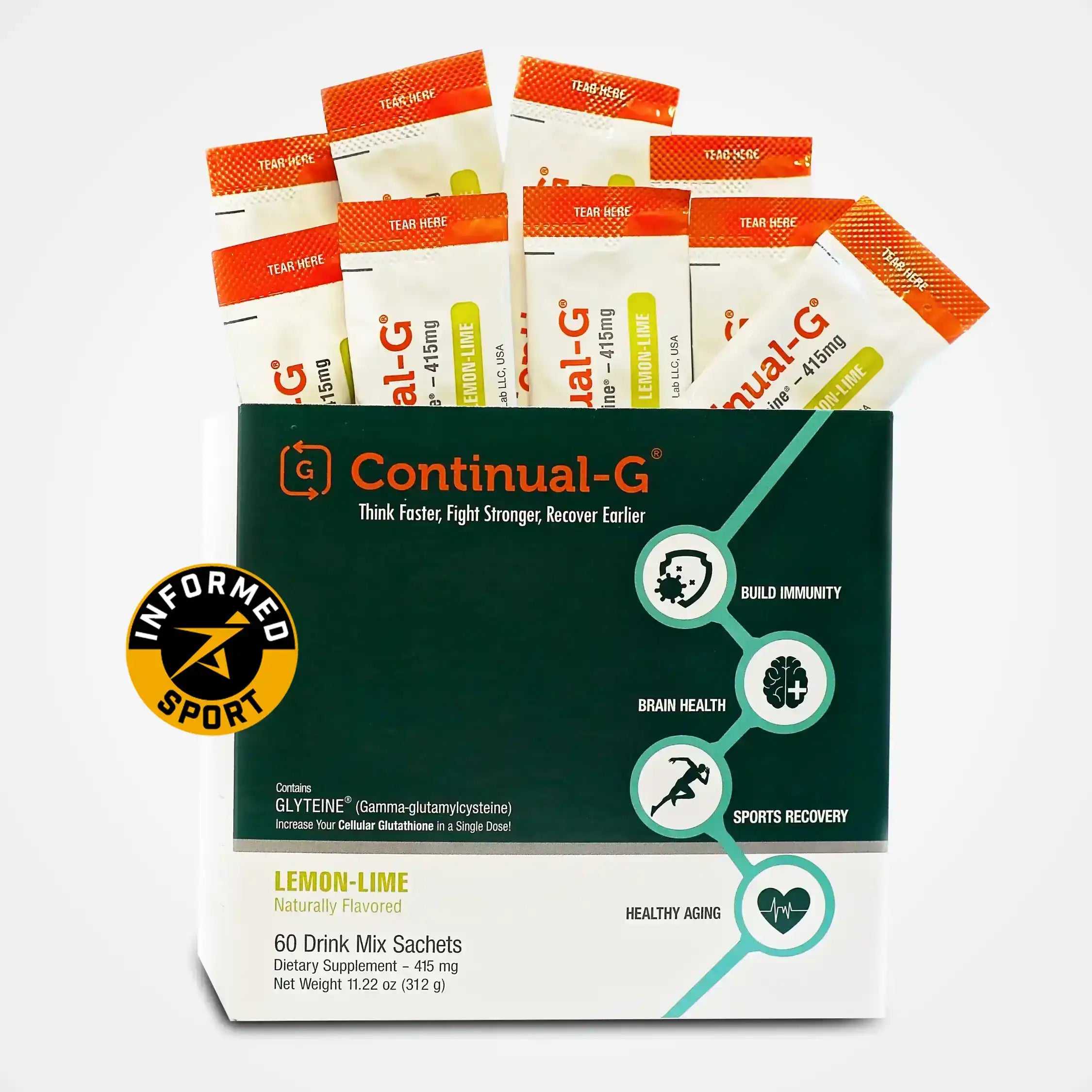
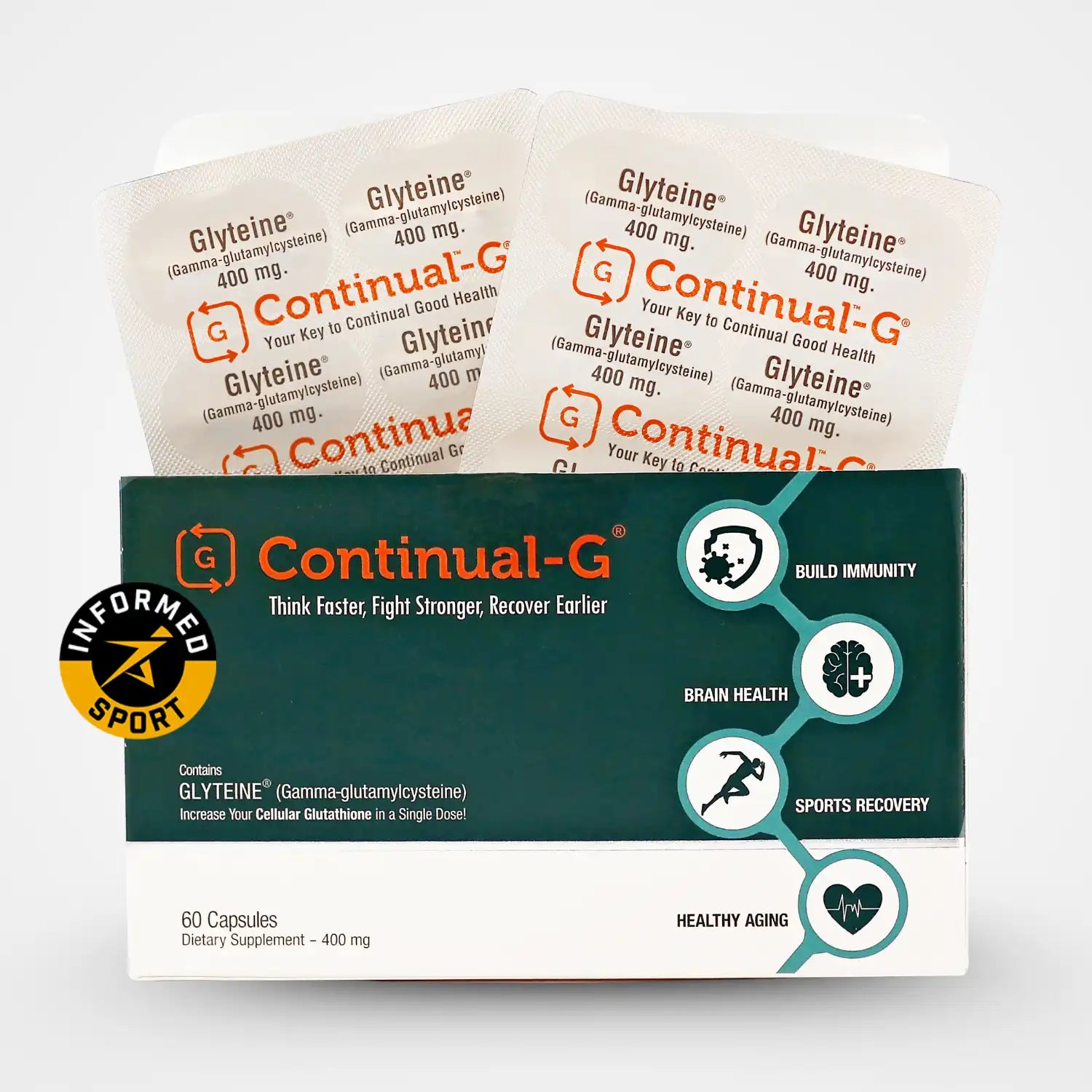
In products like Continual‑G® powder and capsules, Glyteine is formulated as a glutathione precursor supplement designed to be taken daily, so cells receive a steady supply of the exact working material they need to make glutathione.
How Do You Choose the Right Glutathione Precursor Supplement?
With so many options on the market, it is important to look beyond buzzwords and focus on evidence and mechanism. When evaluating a glutathione precursor supplement, consider:
-
Whether it provides a true precursor like GGC, not just generic glutathione or common amino acids.
-
Whether it has human clinical data showing increases in cellular glutathione, not just plasma levels.
-
Whether the brand clearly explains how glutathione precursors increase glutathione inside cells and stays realistic about benefits.
FAQ: Glutathione Precursor Supplements and Cellular Health
1. What is the difference between a glutathione precursor supplement and regular glutathione pills?
A glutathione precursor supplement delivers the intermediate building blocks — such as gamma‑glutamylcysteine — that your cells can use directly to synthesize glutathione inside the cell. In contrast, standard glutathione pills mainly provide fully formed glutathione that often struggles to cross cell membranes. This means precursors are designed to raise cellular glutathione where it is actually needed, rather than simply shifting levels in the bloodstream.
2. What glutathione supplement benefits can I realistically expect from a precursor‑based product?
The most realistic glutathione supplements benefits revolve around supporting your body’s own defenses against oxidative stress, helping maintain a healthy inflammatory response, and promoting better resilience during times of increased demand, such as intense exercise, illness, or high stress. Many users also take these products to support overall healthspan, energy, and recovery, but they are not intended to diagnose, treat, or cure specific diseases.
3. How long do increases in cellular glutathione last after taking a glutathione precursor supplement?
In clinical research on GGC‑based precursors, increases in cellular glutathione have been shown to be transient, typically lasting around five to six hours after a dose. This time course matches the way cells naturally ramp up and then normalize their antioxidant defenses, which is why many people choose to take precursors daily to support a steady, repeatable glutathione response.
4. Who might benefit most from focusing on cellular glutathione with a precursor supplement?
Adults navigating modern, high‑stress lifestyles — with exposure to pollution, processed foods, intense physical training, or ongoing emotional stress — may benefit from extra support for cellular glutathione. People interested in healthy aging, immune resilience, and faster recovery after workouts are also drawn to precursor‑based products, especially when they are backed by clinical research on cellular glutathione rather than just plasma levels.