Is NAC a Glutathione Precursor? Yes, Two Steps Upstream
Published Date: Last Updated:At a Glance
What You'll Learn
- ✓ How NAC becomes glutathione
- ✓ When NAC helps most, according to the research
- ✓ Where gamma-glutamylcysteine (GGC) is different
- ✓ How to think about NAC, GlyNAC and GGC
The Short Answer
Yes. NAC (N-acetylcysteine) is a glutathione precursor. It supplies cysteine, which your cells combine with glutamate in a regulated first step, which is then finished with the addition of glycine to form glutathione. That makes NAC a precursor of a precursor: it sits two steps before glutathione. Gamma-glutamylcysteine (GGC) sits one step before.
NAC is one of the most popular supplements for people who want to support glutathione, and for good reason: it has decades of research behind it. But “precursor” covers a lot of ground. Knowing exactly where NAC sits in the pathway tells you when it’s likely to help and what it can’t do.
How Does NAC Become Glutathione?
Glutathione is built from three amino acids: glutamate, cysteine and glycine. Cysteine is usually the one in shortest supply, which is why a cysteine source like NAC can make a difference. Here’s the route NAC takes:

Figure 4. NAC supplies cysteine before the regulated first step. GGC is the product of that step. Sources: Lu 2013; Richman & Meister 1975.
Three details matter here:
- NAC is a “prodrug”: the body has to convert it into cysteine before cells can use it, and pharmacokinetic studies put the share of an oral dose that reaches the bloodstream intact at roughly 4–10%.
- Cells keep cysteine on a tight leash. They break down cysteine beyond what they need, because free cysteine is reactive.
- The cysteine that is used still has to go through step one, which is controlled by the enzyme GCL, and glutathione slows GCL down when levels are normal.
So NAC tends to help most when cysteine is genuinely in short supply or glutathione has been used up quickly. That fits how it’s used in hospitals, where it is given as a medicine to restore glutathione after it has been rapidly depleted, e.g., following acetaminophen (paracetamol) overdose.
When Does NAC Help Most?
The research fits that picture. NAC, and its glycine-paired form GlyNAC, show the clearest effects in people whose glutathione starts low:
- In a 16-week trial in older adults, GlyNAC raised red-blood-cell glutathione compared with placebo (Kumar et al., 2023).
- In a larger two-week trial in 114 healthy older adults, GlyNAC did not raise glutathione overall. It did in a subgroup with high oxidative stress and low starting glutathione (Lizzo et al., 2022).
- In exercise research, people who started with low glutathione responded better to NAC than those whose levels were already adequate.
That’s useful, honest information: NAC is a refill strategy. It restores supply where supply is the bottleneck.
Where Is Gamma-Glutamylcysteine (GGC) Different?
GGC is the molecule step one produces, so it doesn’t wait at the gate. Only the second enzyme, which glutathione doesn’t regulate, is needed to finish the job, using one unit of cellular energy instead of two. Animal research backs up the idea: in a 1983 study, mice used GGC to make glutathione even when the gate enzyme had been blocked with a drug. Cell studies also suggest GGC can act as an antioxidant helper in its own right, working with the enzyme glutathione peroxidase-1.
In people, the evidence is one human bioavailability study published in 2017 in Redox Biology. Healthy adults who took single 2 g and 4 g doses of GGC, showed 100% and 200%, respectively, peak increases in glutathione levels inside their lymphocytes (white blood cell type) after around 3 hours, returning to baseline by about 5 hours.
A subsequent, yet to be published study, commissioned by Continual-G®, confirmed this dose response with a 20-25% peak increase over the same timeframe for a 400 mg dose.

Figure 5. Schematic redrawn from the summary values reported by Zarka & Bridge, Redox Biology 2017 (dots = reported values; lines between them are illustrative). n=14 at 2 g; n=9 at 4 g. Single doses in healthy adults; lymphocytes only.
Two caveats belong next to that chart. This was a bioavailability study, and it measured a biomarker (changes in cellular glutathione levels), not how anyone felt or performed. And the rise is temporary by design: cells bring glutathione back to its normal range within hours. That’s why GGC products are meant to be taken daily.
NAC, GlyNAC or GGC: How to Think About It
| Factor | NAC | GlyNAC | GGC (Glyteine®) |
|---|---|---|---|
| Steps before glutathione | Two (cysteine → GGC → GSH) | Two, plus glycine for step 2 | One |
| Passes the regulated gate? | Must go through it | Must go through it | Already past it |
| Strongest evidence in | People with low glutathione; clinical settings | Older adults with low glutathione | Healthy adults, single dose (pilot) |
| Timescale studied | Days to months | 2–16 weeks | Hours |
| Volume of research | Large | Growing | Early |
No trial has compared these three directly, so anyone who tells you one is proven “better” is going beyond the evidence. What you can say is that they work at different points. If supply is your limit (issue) then NAC and GlyNAC should address it. If you want a precursor that doesn’t depend on the first regulated step, and can boost cellular glutathione levels above homeostasis, GGC is the precursor that can do that.
About Glyteine®
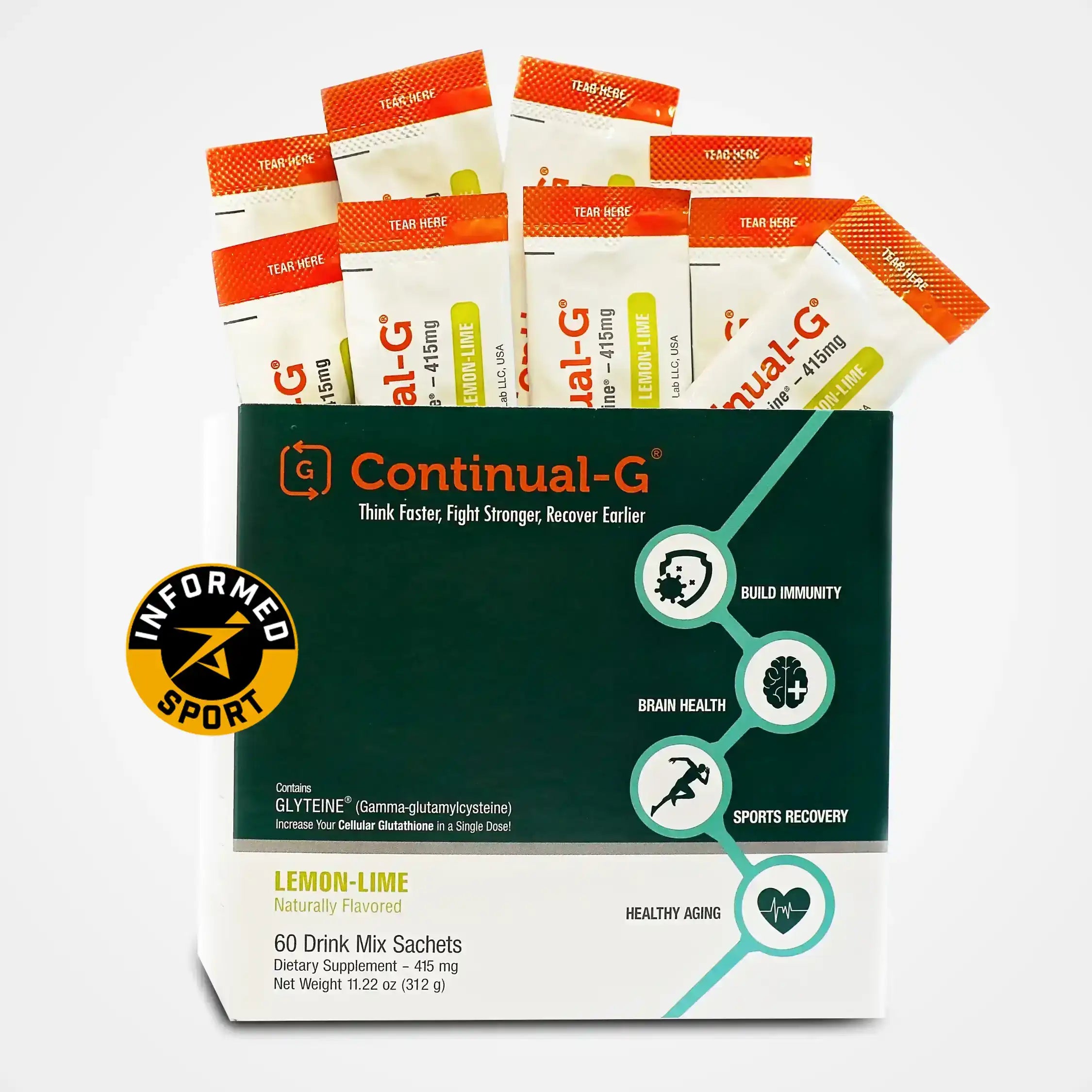
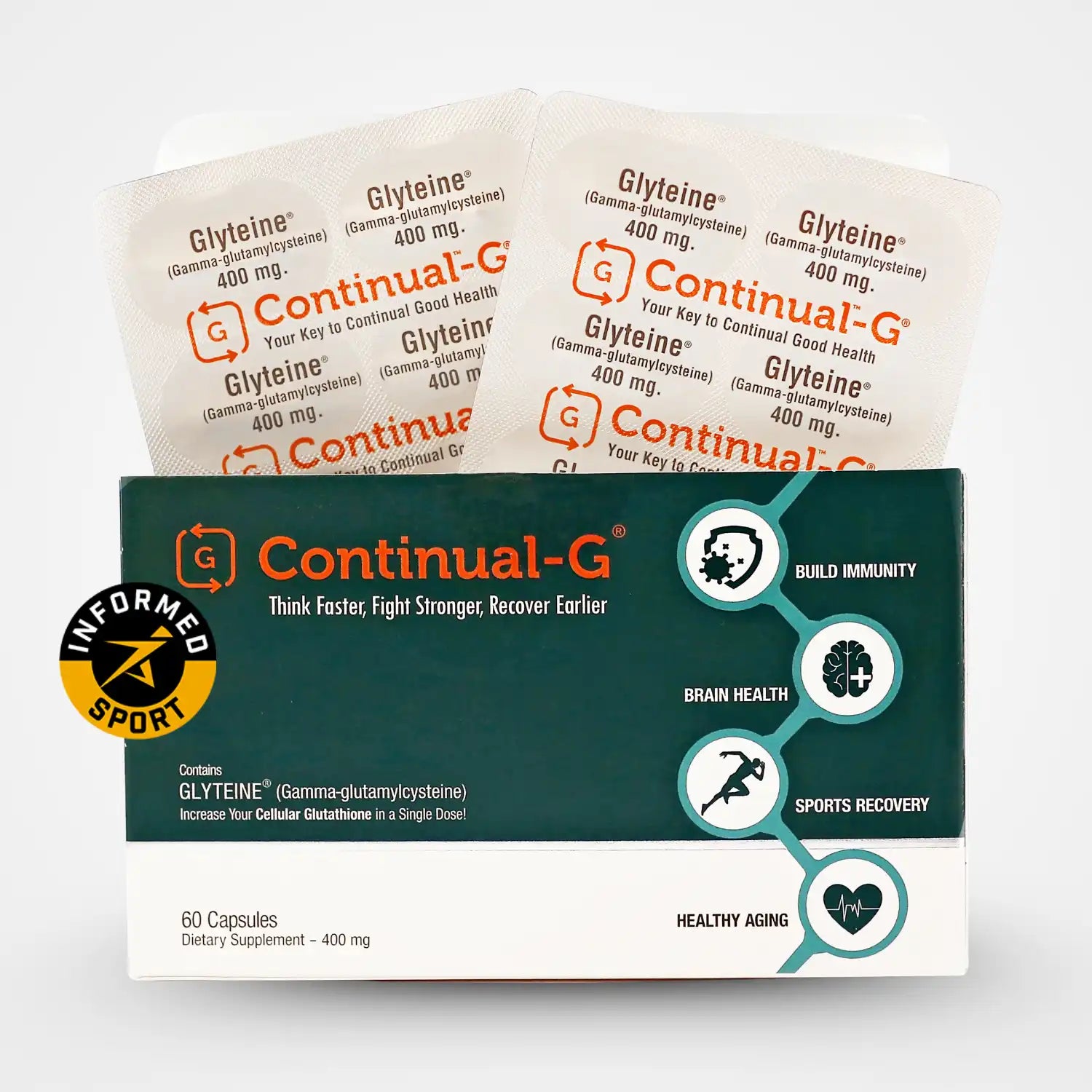
Glyteine® is a form of gamma-glutamylcysteine developed by INID Research Lab. In 2021, INID Research Lab was an awardee of Johnson & Johnson Innovation’s Next in Naturals QuickFire Challenge on Immune Support. Continual-G® is Informed Sport certified. Compare all glutathione precursor supplements.
Frequently Asked Questions
Is NAC a precursor to glutathione?
Yes. NAC supplies cysteine, one of glutathione’s three amino acids. Cysteine is joined with glutamate in a regulated first step to form gamma-glutamylcysteine, which becomes glutathione when glycine is added.
Is NAC better than taking glutathione?
They work differently. Much oral glutathione is broken down in digestion, though a six-month trial found modest rises in blood levels. NAC supplies cysteine for your cells to build their own. Neither has been compared directly with the other in a large trial.
What is the difference between NAC and GlyNAC?
GlyNAC combines NAC with glycine, so it supplies both amino acids cells are most likely to run short of. Most GlyNAC research has been in older adults.
What is the immediate precursor to glutathione?
Gamma-glutamylcysteine (GGC). It is formed in the first step of glutathione production and becomes glutathione when glycine is added. Glyteine® is a branded form of GGC.
Our View
We make Continual-G®, which contains Glyteine® (GGC), so we have an interest here. We don’t think NAC is a bad supplement; for many people it’s a sensible, well-studied choice. We built our product around GGC because it is the immediate precursor and enters after the gate. We’d rather you understood the difference and chose for yourself.
If you’re weighing options, look at the dose on the label compared with the dose studied, and talk to your healthcare provider, especially if you take medication. NAC in particular can interact with some medicines.
References
- Zarka MH, Bridge WJ. Redox Biol. 2017;11:631–636. PubMed
- Richman PG, Meister A. J Biol Chem. 1975;250(4):1422–1426.
- Lu SC. Glutathione synthesis. Biochim Biophys Acta. 2013;1830(5):3143–3153.
- Borgström L, Kågedal B, Paulsen O. Pharmacokinetics of N-acetylcysteine in man. Eur J Clin Pharmacol. 1986;31(2):217–222.
- Kumar P, et al. GlyNAC in older adults: a randomized clinical trial. J Gerontol A Biol Sci Med Sci. 2023;78(1). doi:10.1093/gerona/glac135
- Lizzo G, et al. Front Aging. 2022. Full text
- Paschalis V, et al. N-acetylcysteine supplementation increases exercise performance and reduces oxidative stress only in individuals with low levels of glutathione. Free Radic Biol Med. 2018;115:288–297.
- Rushworth GF, Megson IL. Existing and potential therapeutic uses for N-acetylcysteine: the need for conversion to intracellular glutathione for antioxidant benefits. Pharmacol Ther. 2014;141(2):150–159. doi
- Braidy N, Zarka M, Welch J, Bridge W. Curr Alzheimer Res. 2015;12(4):298–313.
- Anderson ME, Meister A. Transport and direct utilization of γ-glutamylcyst(e)ine for glutathione synthesis. Proc Natl Acad Sci USA. 1983;80(3):707–711.
- Quintana-Cabrera R, et al. Nat Commun. 2012;3:718. doi:10.1038/ncomms1722
*These statements have not been evaluated by the Food and Drug Administration. This product is not intended to diagnose, treat, cure, or prevent any disease. This article is for education and is not medical advice. Speak with your healthcare provider before starting any supplement, especially if you are pregnant, nursing, taking medication or managing a health condition.